So you’ve finally booked flights to Bali — or you’re about to — and now you’re stuck googling the same question everyone asks: what’s the best time to visit Bali? I get it. I made the mistake of going in January once, thinking “how bad can rain in paradise be?” Pretty bad, as it turns out. Three days stuck in a Seminyak villa watching the sky dump on us isn’t exactly the postcard experience.
Bali doesn’t really have four seasons. It has two — dry and wet — and knowing which one you’re walking into changes everything about your trip.
When Is the Dry Season in Bali?
The dry season runs roughly from April to October, and this is when most people consider it the best time to visit Bali. Skies stay blue, humidity drops a bit, and you can actually plan a beach day without checking the radar every hour.
June, July, and August are the busiest months. Prices go up, Uluwatu gets crowded, and that quiet rice terrace in Ubud you saw on Instagram? Full of tripods. If you don’t mind sharing the view, though, the weather makes it worth it.
What About the Wet Season?
November through March is Bali’s rainy stretch. It’s not constant rain — think short, heavy bursts, usually in the afternoon, followed by sun again within an hour. I actually don’t hate this season. Hotel prices drop noticeably, and the island feels less like a theme park.
Quick answer: The best time to visit Bali is between April and October, especially May, June, and September, when the weather is dry but the crowds haven’t peaked yet. Avoid late December through February if you want to skip the heaviest rain.
Shoulder Months Worth Considering
May and September deserve more attention than they get. Weather’s still mostly dry, flight prices are lower than peak summer, and Canggu’s beach clubs aren’t shoulder-to-shoulder. I’d honestly rank September as my personal favorite — less humid than August, and the surf around Uluwatu is still solid.
Bali Weather by Region — It’s Not All the Same
Here’s something people miss: Bali’s weather isn’t uniform across the island.
- Ubud and the central highlands stay cooler and get more rain year-round, even in dry season.
- Seminyak, Kuta, and the south coast are drier and hotter.
- Nusa Penida and the Gili Islands (technically Lombok, but everyone lumps them together) have their own microclimate, often sunnier than the mainland.
If your itinerary mixes Ubud with the coast, pack for both. I learned this the hard way, carrying a raincoat I never used in Seminyak but desperately needed two days later in Ubud.
Best Time for Surfing in Bali
Surfers usually aim for April to October, when swells on the west coast (Canggu, Uluwatu) are more consistent. The east coast, around Keramas, tends to peak a bit later in the dry season. If waves are the whole point of your trip, June to September is generally your window.
Best Time for a Honeymoon or Quiet Getaway
Want fewer crowds and still-decent weather? Late April or early October hits that sweet spot — dry enough to enjoy the beach, but before or after the summer rush. Rooms with a view don’t need to be booked six months out during these windows either.
Festivals and Cultural Events Worth Timing Your Trip Around
Bali’s Hindu calendar runs on its own system, so festival dates shift every year. Nyepi (the Day of Silence) usually falls in March — the entire island shuts down for 24 hours, no flights, no lights, nothing. It’s strange and kind of beautiful, but not ideal if you’re only in Bali for a few days and wanted to actually do things.
Galungan and Kuningan, celebrated roughly every 210 days on the Balinese calendar, fill the streets with offerings and penjor (those tall bamboo poles). Worth planning around if you want cultural immersion, not just beach time.
Budget Considerations by Season
Peak dry season (July–August, and December around New Year) means higher hotel rates, pricier villas, and less negotiating room on tours. Wet season, particularly January and February, can save you 20-30% on accommodation in places like Seminyak and Ubud, based on what I’ve seen browsing booking sites over the past couple of years.
FAQ
Is it worth visiting Bali during monsoon season? Yes, if you don’t mind occasional afternoon downpours. Mornings are usually clear, and you’ll save money on hotels.
What month has the least rain in Bali? August typically records the least rainfall, followed closely by July.
Is Bali too hot in the dry season? It gets warm, especially July and August, but coastal breezes help. Ubud stays a few degrees cooler.
Do I need a raincoat if I visit in June? Not really necessary — June is solidly dry season, though a light jacket for evenings isn’t a bad idea.
Is December a good time to visit Bali? Early December is fine, but late December brings both rain and holiday crowds — expect higher prices too.
Conclusion
There’s no single “perfect” month for everyone — it really depends on whether you’re chasing waves, a quiet honeymoon, or just want blue skies for the photos. If I had to pick one window, I’d say May or September: dry weather, thinner crowds, and better hotel rates than the July-August rush. Whatever you land on, check the [link to Bali travel guide here] before you finalize your itinerary — the season you pick shapes almost everything else about the trip.
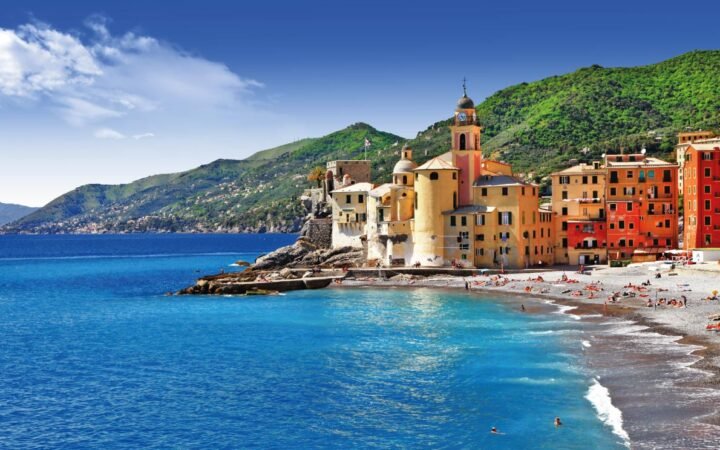
(Suggested alt text: “Rice terraces in Ubud, Bali under clear dry-season skies”)
Verify current rules, prices, schedules and local conditions before making travel commitments.