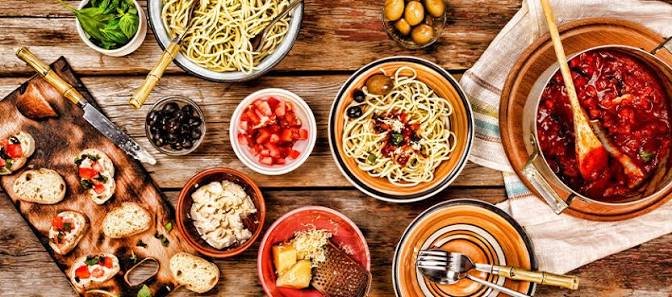
I used to think Italian food meant spaghetti and meatballs until an actual Roman friend informed me, with visible offense, that the dish barely exists in Italy the way it’s served abroad. That conversation kicked off a genuine obsession with understanding authentic Italian cuisine region by region, rather than the flattened, generic version most of us grow up eating outside Italy.
Why Regional Matters More Than “Italian” as a Category
Italy only unified as a single country in 1861, and its food culture still reflects centuries of separate regional identities. What’s considered “authentic” in Bologna would raise eyebrows in Naples, and vice versa. Understanding this regional split is genuinely the first step to appreciating Italian food properly.
Quick answer: Authentic Italian cuisine varies dramatically by region — Bologna is known for rich, meat-based dishes like ragù, Naples for its simpler tomato-and-cheese-focused pizza tradition, and Sicily for a distinctly Arab-and-Mediterranean-influenced style involving citrus, seafood, and sweet-savory combinations.
Emilia-Romagna — The Culinary Heartland
Bologna’s food reputation is genuinely earned. Real ragù alla bolognese, the dish loosely (and inaccurately) translated abroad as “bolognese sauce,” involves a slow-cooked meat sauce with a small amount of tomato, not the thick, tomato-heavy versions common internationally. Parmigiano Reggiano and traditional balsamic vinegar both originate specifically from this region, protected under strict geographical indication laws.
What to Actually Order in Bologna
- Tagliatelle al ragù (not spaghetti — pasta shape pairing is taken seriously here)
- Tortellini in brodo, especially in colder months
- Mortadella, the actual origin of what most of the world calls “bologna” lunch meat, though bearing little resemblance to it
Naples — The Birthplace of Pizza
Neapolitan pizza follows strict traditional standards, recognized by UNESCO in 2017 as part of the city’s intangible cultural heritage — thin, soft center, charred leopard-spotted crust from a wood-fired oven reaching around 485°C, and minimal toppings (Margherita being the classic standard). Anything piled high with excessive toppings genuinely isn’t following Neapolitan tradition, regardless of what’s labeled “Neapolitan-style” elsewhere.
Sicily — Mediterranean and Arab Influences
Centuries of Arab rule left a genuine mark on Sicilian cuisine — dishes like arancini (fried rice balls), cassata (a sweet ricotta cake with candied fruit), and the frequent use of citrus and pine nuts all trace back to this history. Sicilian cuisine feels distinctly different from mainland Italian food, more Mediterranean in a broader sense.
Tuscany — Simplicity and Quality Ingredients
Tuscan cooking emphasizes simple preparation and high-quality ingredients over complex technique. Bistecca alla Fiorentina, a thick-cut T-bone steak grilled rare, exemplifies this — minimal seasoning, letting the quality of the Chianina beef speak for itself. Ribollita, a hearty bread-and-vegetable soup, represents the “cucina povera” (peasant cooking) tradition that shaped much of Tuscan food culture historically.
Common Mistakes Tourists Make Ordering Italian Food
A few things locals consistently mention as tourist giveaways:
- Ordering cappuccino after 11am — considered strictly a breakfast drink in most of Italy
- Asking for parmesan on seafood pasta — traditionally never paired together
- Expecting garlic bread — it’s largely an American-Italian invention, not a standard Italian starter
- Assuming all pasta dishes work with any pasta shape — regional and dish-specific pairing genuinely matters to Italians
Regional Wine Pairings Worth Knowing
Chianti pairs naturally with Tuscan red meat dishes, while lighter Sicilian whites like Grillo complement the region’s seafood-heavy cuisine. Emilia-Romagna’s Lambrusco, a sparkling red often dismissed internationally as low-quality, is genuinely well-regarded locally when paired with the region’s rich, fatty dishes like mortadella and prosciutto.
FAQ
What’s the most authentic Italian dish to try first? Start regionally — Neapolitan pizza in Naples, ragù in Bologna — rather than assuming one dish represents all of Italian cuisine.
Is it rude to ask for substitutions in Italian restaurants? Generally yes, particularly at traditional trattorias — dishes are often prepared as intended, and heavy modification requests can come across as disrespectful to the chef’s approach.
Why don’t Italians eat spaghetti and meatballs? It’s largely an Italian-American adaptation; meatballs (polpette) exist in Italy but are typically served separately, not combined with pasta this way.
What’s the difference between regional pizza styles in Italy? Neapolitan pizza is thin with a soft, charred crust; Roman pizza tends to be thinner and crispier throughout, reflecting distinctly different regional baking traditions.
Is Italian food generally expensive to eat authentically? Not necessarily — some of the most authentic meals come from small, family-run trattorias that are often cheaper than tourist-oriented restaurants.
Conclusion
Understanding authentic Italian cuisine really means letting go of the flattened, single “Italian food” category most of us grew up with and appreciating just how distinct each region’s traditions actually are. Next time you’re planning an Italy trip, pick your itinerary partly around regional food, not just the major sightseeing stops. [link to best street food in the world guide here]
(Suggested alt text: “Fresh Neapolitan pizza with charred crust from a wood-fired oven”)
Verify current rules, prices, schedules and local conditions before making travel commitments.