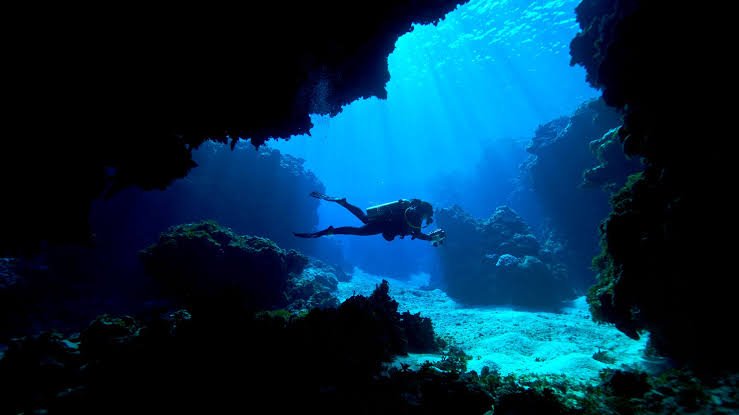
There’s a moment underwater, right after you first sink below the surface chop, where everything goes quiet except your own breathing — and that’s genuinely why I keep chasing new dive sites years after getting certified. Picking the best scuba diving destinations really depends on what you’re after: coral, wrecks, big marine life, or all three at once.
Raja Ampat, Indonesia — The Coral Triangle’s Crown Jewel
Raja Ampat sits at the heart of the Coral Triangle, home to roughly 75% of the world’s known coral species according to marine biodiversity studies. It’s remote — getting there takes real effort, usually via Sorong followed by a boat transfer — but the biodiversity is genuinely unmatched anywhere else I’ve dived.
Quick answer: Among the best scuba diving destinations globally, Raja Ampat, Indonesia consistently ranks first for biodiversity, hosting an estimated 1,500+ fish species and over 500 coral species across its dive sites.
The Great Barrier Reef, Australia — Still Worth It, Despite the Headlines
Coral bleaching events have genuinely affected parts of the reef over recent years, and it’s fair to acknowledge that. That said, large sections remain vibrant, particularly further offshore and around the Ribbon Reefs near Cairns. Choosing operators who dive further from shore generally means healthier coral.
Sipadan, Malaysia — Turtle and Shark Territory
Sipadan is a genuinely small island with an outsized reputation — Jacques Cousteau reportedly called it one of the best dive sites in the world after visiting in the 1980s. Green and hawksbill turtles are practically guaranteed sightings, and schooling barracuda form the famous “tornado” formation divers travel specifically to see.
Permit System Worth Knowing
Malaysia limits daily diver permits to Sipadan (around 120 per day) to protect the reef ecosystem, so book well ahead through a registered operator — walk-in diving isn’t possible here.
Blue Hole, Belize — For Advanced Divers
This massive submarine sinkhole, roughly 300 meters across and over 124 meters deep, made famous partly through Jacques Cousteau’s expeditions, draws advanced divers specifically for its dramatic stalactite formations at depth. It’s not a beginner site — expect strong currents and genuine depth requirements.
Red Sea, Egypt — Wrecks and Reefs Together
The Red Sea offers a rare combination — vibrant coral reefs alongside genuinely significant historical wrecks, including the SS Thistlegorm, a World War II supply ship sunk in 1941 and rediscovered by Cousteau’s team in the 1950s. Visibility here regularly exceeds 20-30 meters, among the best conditions globally for wreck photography.
Palau — Jellyfish Lake and WWII History
Palau’s Jellyfish Lake allows snorkeling (not diving, due to low oxygen at depth) among millions of non-stinging jellyfish, a genuinely surreal experience. The surrounding waters also host numerous WWII wrecks and dramatic wall dives along the Rock Islands.
Choosing the Right Destination for Your Certification Level
Not every destination suits every diver:
- Beginners: Great Barrier Reef (shallow sites), most Caribbean destinations
- Intermediate: Sipadan, Red Sea reef dives
- Advanced: Blue Hole Belize, deeper Raja Ampat sites, strong-current dives in Indonesia’s Komodo region
Best Time to Dive These Locations
Timing varies significantly by destination — Raja Ampat’s best conditions run October to April, while the Red Sea offers reliable diving nearly year-round with slightly better visibility in summer months. Always check destination-specific seasons before booking, since currents and visibility shift considerably.
FAQ
What’s the best scuba diving destination for beginners? The Great Barrier Reef and most Caribbean destinations offer shallow, calm conditions ideal for newly certified divers.
Do I need advanced certification for Raja Ampat? Not for all sites — many are suitable for open water divers, though some deeper, current-heavy sites require advanced certification.
How far ahead should I book Sipadan diving permits? Several weeks to a couple of months ahead during peak season, since Malaysia caps daily permits strictly.
Is the Great Barrier Reef still worth visiting despite coral bleaching? Yes — significant healthy sections remain, particularly further offshore, though choosing the right operator and location matters more than it used to.
What’s the best month to dive the Red Sea? Diving is good nearly year-round, though summer (June-August) typically offers the clearest visibility.
Conclusion
Whichever of these best scuba diving destinations you choose, matching the site to your actual certification level and comfort with currents matters more than chasing the most famous name on the list. Start researching permit requirements and seasonal conditions early, especially for destinations like Sipadan that cap daily access. [link to dive certification guide here]
(Suggested alt text: “Colorful coral reef and tropical fish at Raja Ampat dive site”)
Verify current rules, prices, schedules and local conditions before making travel commitments.