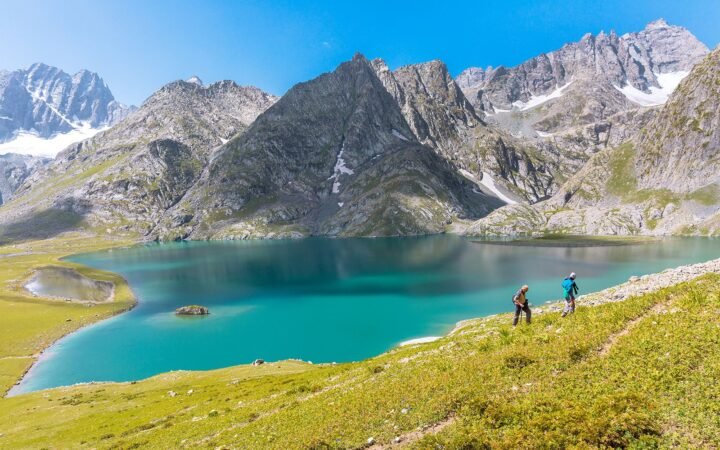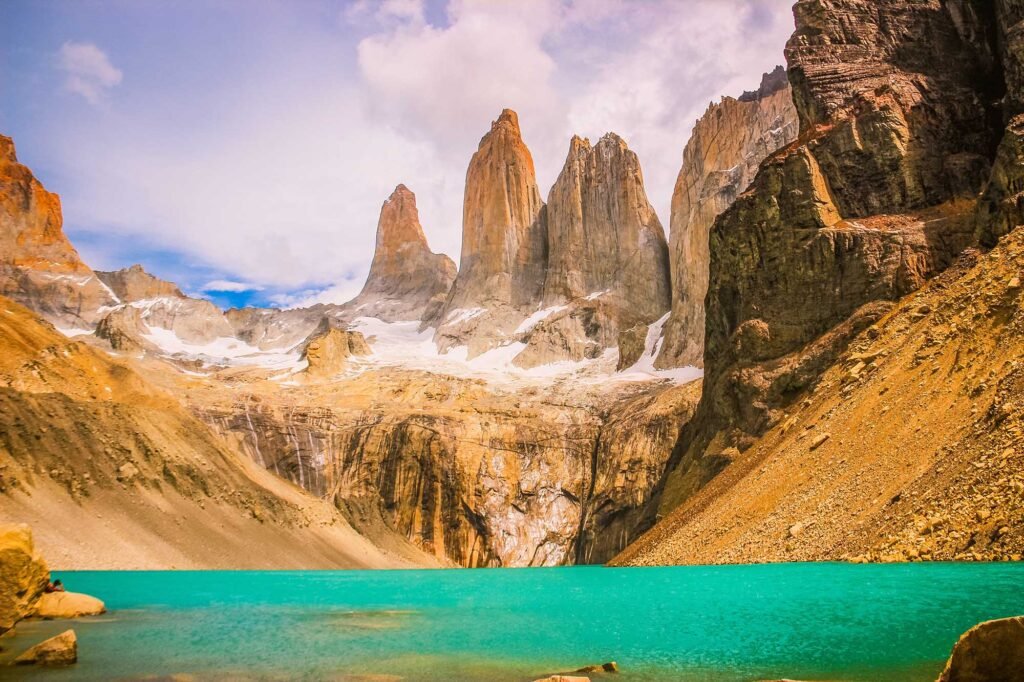
South America chews through your assumptions fast — I thought three months would feel like plenty of time, and I still left with a list of places I wish I’d seen. This backpacking South America guide covers what actually matters for a first trip, based on the gringo trail and a few detours off it.
The Classic “Gringo Trail” — Where Most Backpackers Start
The gringo trail loosely connects Peru, Bolivia, Chile, and Argentina, following well-established backpacker infrastructure — hostels, tour operators, and bus routes that make independent travel genuinely manageable even for first-timers.
Quick answer: A typical backpacking South America guide route runs Lima → Cusco/Machu Picchu → La Paz → Salar de Uyuni → San Pedro de Atacama → Santiago or onward to Argentina, covering roughly 6-10 weeks at a comfortable pace with a few rest days built in.
Budgeting for South America
Costs vary enormously by country. As a rough daily budget for backpacker-style travel (hostels, local food, occasional tours):
- Peru and Bolivia: $25-35/day
- Colombia and Ecuador: $25-40/day
- Chile and Argentina: $40-60/day (noticeably pricier than the Andean countries)
- Brazil: $35-55/day, though this varies significantly by region
Currency and Cash Considerations
Argentina’s economic volatility has made currency exchange genuinely tricky — the “blue dollar” unofficial exchange rate has historically offered significantly better value than official bank rates. Research current exchange practices specifically before arriving, since this shifts frequently.
Essential Stops Worth Building Your Route Around
- Machu Picchu, Peru — book the Inca Trail permit months ahead (limited daily permits) or consider alternative treks like Salkantay if the classic trail is sold out
- Salar de Uyuni, Bolivia — the world’s largest salt flat, best visited just after rainy season (roughly December-April) for the famous mirror effect
- San Pedro de Atacama, Chile — otherworldly desert landscapes, geysers, and some of the clearest night skies globally
- Cartagena, Colombia — colorful colonial architecture and Caribbean coast energy, a good bookend if extending into Colombia
Altitude: A Genuine Concern Across the Route
Cusco (3,400m), La Paz (3,650m), and Uyuni all sit at significant altitude. Build in acclimatization days rather than rushing straight into trekking or tours upon arrival — altitude sickness affects backpackers regardless of fitness level, and rushing it genuinely ruins trip segments for a lot of travelers.
Safety Considerations Worth Taking Seriously
South America’s safety reputation is often overstated in some areas and understated in others. General precautions that matter:
- Avoid displaying expensive electronics openly, particularly in larger cities
- Use registered taxis or ride-share apps rather than hailing cabs on the street in cities like Lima or Bogotá
- Keep photocopies of your passport separate from the original
- Research specific neighborhood safety within cities — safety varies block by block more than country to country
Transport Between Countries
Long-distance buses form the backbone of South American backpacking, and quality varies dramatically. Bolivia’s buses are notoriously rougher than Chile’s premium “cama” (bed-style) buses on similar routes. For longer overland stretches, budget flights (particularly within Peru or between Bolivia and Chile) sometimes save enough time to justify the extra cost.
Language: How Much Spanish Do You Actually Need
Basic Spanish genuinely transforms the experience — negotiating prices, ordering food, asking directions all become significantly easier. Brazil, of course, speaks Portuguese, which is a separate consideration if extending your route there. Language apps and a phrasebook cover emergencies, but even two weeks of basic lessons before departure pays off enormously.
FAQ
How long should a first South America backpacking trip be? Six to ten weeks covers the classic gringo trail comfortably without feeling rushed, though even 3-4 weeks works for a focused single-country trip.
Is South America safe for solo backpackers? Generally yes with standard precautions, though safety varies significantly by specific city and neighborhood rather than by country as a whole.
What’s the best time of year to backpack South America? April to October avoids the wettest months across most of the Andean region, though exact timing varies by specific country and altitude.
Do I need to book Machu Picchu tickets in advance? Yes, absolutely — daily visitor numbers are capped, and Inca Trail permits often sell out months ahead during peak season.
How much Spanish do I need for backpacking South America? Basic conversational Spanish helps enormously; you can manage with minimal Spanish, but the experience improves significantly with even modest language skills.
Conclusion
Backpacking South America rewards flexibility more than rigid planning — build in buffer days for altitude, bus delays, and the inevitable place you fall in love with and don’t want to leave on schedule. Start with permits for Machu Picchu since those sell out fastest, then build the rest of your route around that fixed point. [link to South America packing list here]
(Suggested alt text: “Backpacker overlooking Salar de Uyuni salt flat in Bolivia”)
Verify current rules, prices, schedules and local conditions before making travel commitments.