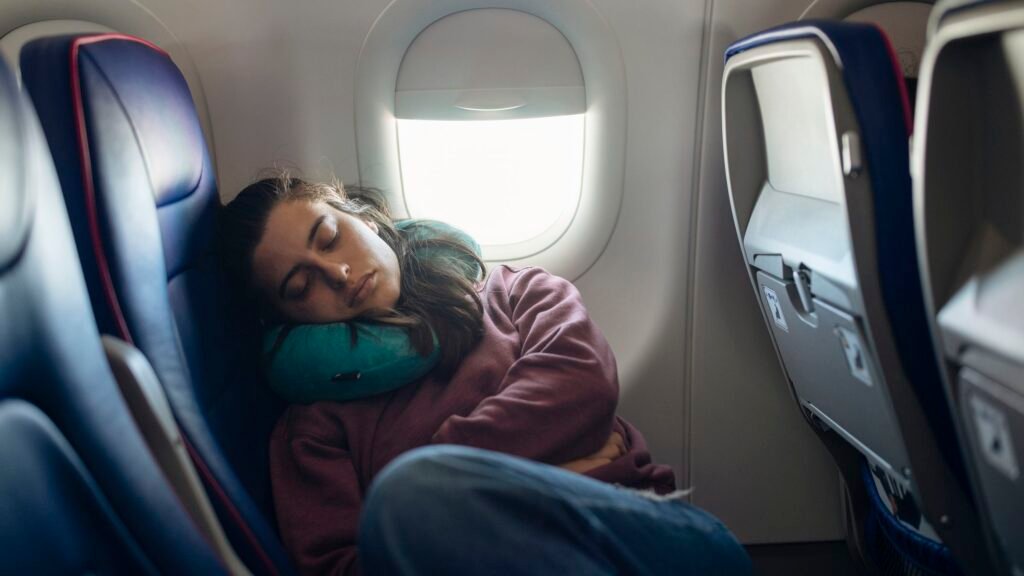
Landing in Sydney at 6am feeling like a zombie, then trying to power through a full day of sightseeing on zero sleep — I’ve done this more times than I’d like to admit before I actually figured out how to avoid jet lag properly. It’s not entirely avoidable on long-haul east-to-west or west-to-east routes, but you can genuinely minimize it.
What Actually Causes Jet Lag
Your body runs on a circadian rhythm, an internal clock regulated largely by light exposure. Flying across multiple time zones disrupts this faster than your body can naturally adjust, leaving you tired at the wrong times and wide awake when you should be sleeping.
Quick answer: To avoid jet lag effectively, adjust your sleep schedule gradually before departure, get direct sunlight exposure at your destination immediately after landing, and avoid alcohol and heavy caffeine during the flight itself, since both worsen dehydration and disrupt sleep quality.
Start Adjusting Before You Even Fly
If you’re crossing more than 3-4 time zones, start shifting your sleep schedule 2-3 days before departure — going to bed and waking up 30-60 minutes earlier or later, depending on which direction you’re traveling. It sounds tedious, but even a partial adjustment reduces the shock on arrival.
Eastward vs. Westward Travel
Jet lag typically hits harder flying east (say, India to the US west coast) than west, since it usually asks your body to skip forward, which is a harder adjustment for most circadian rhythms. Flying west, you’re generally extending your day, which most people find easier to manage.
Light Exposure Is Your Most Powerful Tool
Light is the single strongest signal your body uses to reset its internal clock. On arrival:
- If it’s daytime at your destination, get outside and get direct sunlight, even briefly
- If you land at night, avoid bright screens and artificial light that might confuse your body further
- Consider a light therapy lamp for a few days before departure if you’re dealing with a particularly harsh time difference
During the Flight: What Helps and What Doesn’t
A few habits that genuinely make a difference:
- Set your watch to destination time as soon as you board
- Sleep or stay awake according to destination time, not your origin time
- Stay hydrated — dehydration worsens every jet lag symptom
- Limit alcohol and caffeine, both of which disrupt sleep quality even if they feel helpful in the moment
Melatonin: Does It Actually Work?
Some research supports melatonin’s effectiveness for shifting circadian rhythm, particularly for eastward travel across multiple time zones. Timing matters — taking it at the wrong time can actually worsen adjustment rather than help. If you haven’t used it before, test it on a shorter trip first rather than experimenting for the first time on an important journey.
Post-Arrival Strategy
Resist the urge to nap for more than 20-30 minutes on arrival day, even if you’re exhausted. A longer nap can push your adjustment back by a full day. Push through until a reasonable local bedtime instead — it’s rough for a few hours, but the adjustment happens noticeably faster.
Meal Timing Matters Too
Eating meals according to destination time, rather than your body’s origin-time hunger cues, helps reinforce the new schedule. Your digestive system runs on its own internal clock too, and aligning it with local time speeds up overall adjustment.
How Long Does Jet Lag Typically Last?
A rough rule many travel health experts cite: about one day of adjustment per time zone crossed. A 9-hour time difference might mean roughly a week before you feel fully normal, though most people feel functional well before that point.
FAQ
How long does jet lag usually last? Roughly one day per time zone crossed, though most people feel significantly better within 3-4 days even for larger time differences.
Is melatonin safe for avoiding jet lag? Generally considered safe for short-term use in healthy adults, but consult a doctor if you have underlying health conditions, and test it before an important trip.
Does exercise help with jet lag? Light exercise, especially outdoors in daylight, can help reset your circadian rhythm faster than staying sedentary.
Is jet lag worse flying east or west? Typically worse flying east, since it requires your body to adjust to a shorter day, which most people find harder to manage.
Should I sleep on the plane to avoid jet lag? Only if it aligns with destination nighttime — sleeping at the wrong time based on origin time can actually worsen adjustment.
Conclusion
Jet lag isn’t something you eliminate entirely on long-haul flights crossing multiple time zones, but a deliberate plan — pre-flight adjustment, smart light exposure, and resisting long naps on arrival — cuts recovery time significantly. Try adjusting your sleep schedule a couple of days before your next long flight and see the difference for yourself. [link to long-haul flight comfort guide here]
(Suggested alt text: “Traveler adjusting to new time zone with sunlight streaming through window”)
Verify current rules, prices, schedules and local conditions before making travel commitments.