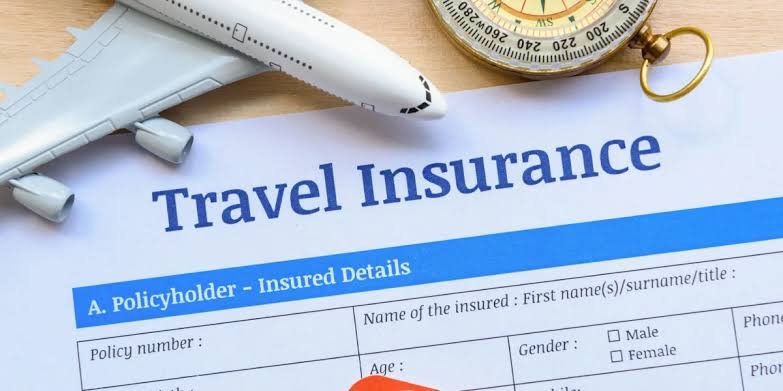
I skipped travel insurance for years, telling myself I’d “probably be fine.” Then a friend’s appendix decided to act up in Thailand, and the hospital bill alone made me rethink that logic permanently. This travel insurance guide covers what genuinely matters, cutting through the fine print most people skim past.
Why Travel Insurance Isn’t Optional Anymore
Beyond the obvious medical emergency scenarios, many countries now require proof of travel insurance as part of the visa application itself — Schengen countries in Europe being the most well-known example. Even where it’s not mandatory, medical treatment abroad, especially in the US, can cost tens of thousands of dollars without coverage.
Quick answer: A solid travel insurance guide recommends checking three things above all else — medical coverage limits, whether pre-existing conditions are covered, and trip cancellation terms — since these are where most claim disputes and unpleasant surprises actually happen.
Types of Coverage to Understand
Travel insurance policies typically bundle several types of coverage, and not all trips need every type equally:
- Medical coverage — hospital visits, emergency treatment, medication abroad
- Emergency evacuation — critical for remote destinations or adventure travel where local medical facilities are limited
- Trip cancellation/interruption — reimburses non-refundable costs if you need to cancel or cut a trip short
- Baggage loss or delay — covers lost luggage or significant delays in bag delivery
- Flight delay/cancellation — compensation for missed connections or extended delays
How Much Medical Coverage Do You Actually Need?
For destinations like the US, Canada, or Western Europe, aim for at least $100,000-150,000 in medical coverage — healthcare costs there are significantly higher than in most of Asia. For Southeast Asia or India-adjacent destinations, lower coverage limits (around $50,000) are often sufficient, though evacuation coverage still matters for remote areas.
Pre-Existing Conditions — Read This Section Carefully
Standard policies often exclude pre-existing conditions unless you specifically declare them and pay for additional coverage. If you have any ongoing health condition, this is genuinely the most important section to read before buying — don’t just skim it.
Adventure and Activity-Specific Coverage
Standard policies frequently exclude “high-risk” activities — scuba diving beyond a certain depth, skiing off-piste, trekking above certain altitudes. If your trip includes any adventure activities, check the policy’s specific activity list rather than assuming general coverage applies.
Comparing Policies: What to Actually Look At
Price shouldn’t be the only factor. When comparing policies side by side, prioritize:
- Claim settlement ratio, if available for the insurer
- 24/7 emergency assistance hotline, ideally with English-speaking support
- Direct billing arrangements with hospitals abroad (saves you from paying upfront and claiming later)
- Clear, specific exclusion lists rather than vague language
When to Buy Travel Insurance
Buy it as soon as you book your trip, not right before departure. Trip cancellation coverage typically only applies to cancellation reasons that occur after the policy purchase date — buying late means you’re already excluded from covering anything that happens between booking and purchase.
Common Claim Mistakes to Avoid
A few things that trip up first-time claimants:
- Not keeping receipts for medical treatment or delayed baggage purchases
- Missing the claim filing deadline, often 30-60 days after the incident
- Not reporting theft to local police immediately, which most policies require for documentation
- Assuming a claim is automatically covered without checking the specific policy wording first
FAQ
Is travel insurance mandatory for all international trips? Not universally, but mandatory for Schengen visa applications and increasingly required for other visa categories too.
Does travel insurance cover COVID-related cancellations? Varies significantly by policy — many now include it, but always confirm specifically rather than assuming standard coverage applies.
How much does travel insurance typically cost? Roughly 4-8% of total trip cost for standard coverage, though adventure or long-duration trips can cost more.
Can I buy travel insurance after departure? Some providers allow it, but coverage options are limited and it’s generally not recommended — buy before departure whenever possible.
Does travel insurance cover flight cancellations by the airline? Some policies do, but airline-caused cancellations are often first the airline’s responsibility — insurance typically covers gaps beyond what the airline compensates.
Conclusion
Travel insurance feels like an unnecessary expense right up until the moment you genuinely need it — and by then it’s too late to buy it retroactively. Read the medical coverage limits and exclusions carefully before your next trip, rather than picking whatever policy shows up first in a search. [link to international packing list guide here]
(Suggested alt text: “Travel insurance documents and passport laid out before a trip”)
Verify current rules, prices, schedules and local conditions before making travel commitments.