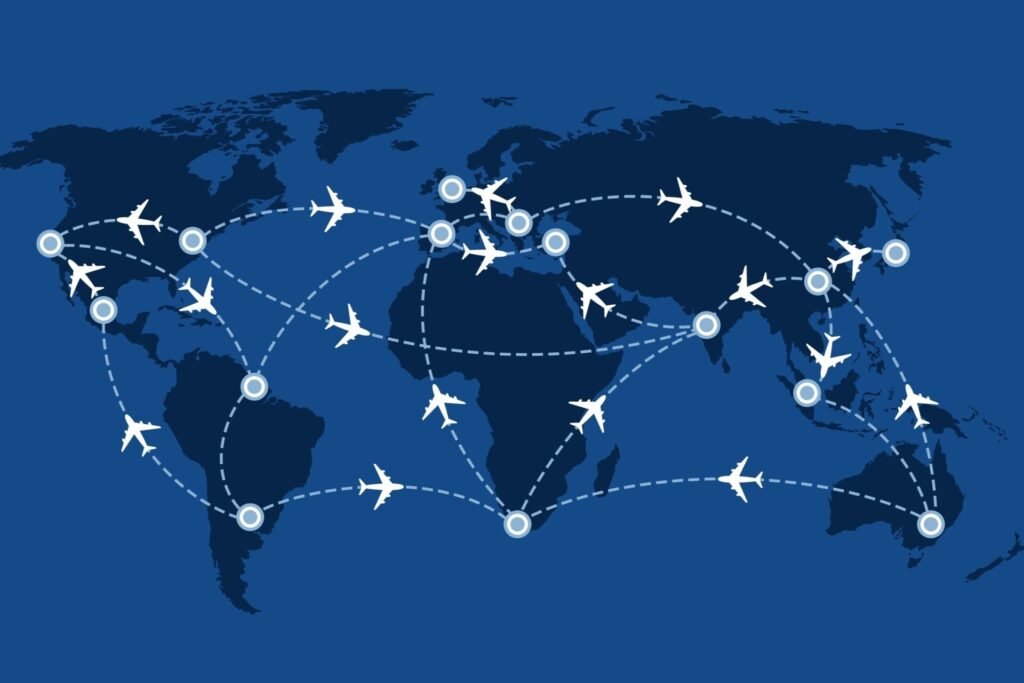
Every time an airline announces a new direct route, it genuinely changes what feels possible for a trip — destinations that once required an awkward two-connection journey suddenly become a straightforward flight. Tracking new flight routes each year has become part of how I plan future trips, honestly, sometimes picking a destination specifically because a new direct route just opened up.
Why Airlines Keep Adding New Routes
Route expansion typically follows demand signals — growing tourism numbers, business travel corridors, or diaspora populations wanting easier connections home. Airlines also expand routes competitively, responding when a rival carrier announces a new destination on a similar corridor.
Quick answer: New international flight routes launching this year reflect continued expansion particularly across India-Gulf-Europe corridors and growing direct connectivity between Southeast Asia and emerging long-haul markets, as airlines compete for both business and leisure travel demand.
India’s Expanding International Connectivity
Indian carriers have continued adding direct international routes from secondary cities beyond the traditional Delhi and Mumbai hubs, reducing the need for domestic connections before an international leg. This trend particularly benefits travelers from cities like Ahmedabad, Kochi, and Hyderabad, who’ve historically needed to route through major hubs first.
Gulf Carriers Continue Expanding Indian Routes
Gulf-based carriers (Emirates, Qatar Airways, Etihad) have steadily added frequency and new city pairs connecting India to onward international destinations, reinforcing the Gulf’s role as a major connecting hub for Indian travelers heading to Europe, the US, and Africa.
Long-Haul Low-Cost Carriers Growing
Budget long-haul carriers have expanded route networks in recent years, offering significantly cheaper (if more bare-bones) options on routes previously dominated entirely by full-service carriers. This shift has particularly affected pricing on routes between Asia and Europe, pushing overall fares down as competition increases.
New Routes Connecting Secondary Cities
Beyond major hub-to-hub connections, airlines have increasingly targeted secondary city pairs — connections that skip the traditional major gateway cities entirely. This benefits travelers heading to specific regional destinations without needing an extra domestic leg on either end of their journey.
Examples of this broader pattern include:
- Direct connections between regional Indian cities and Southeast Asian destinations, bypassing Delhi or Mumbai
- New European regional city connections beyond the usual London-Paris-Frankfurt hub pattern
- Expanded direct US connectivity from cities beyond the traditional New York-LA-Chicago gateways
What New Routes Mean for Ticket Prices
New route launches often come with introductory pricing to build demand, sometimes offering genuinely good value in the first few months before pricing normalizes to match established routes. Watching for these launch periods can mean meaningfully cheaper fares if your travel dates align with a new route’s opening.
How to Track New Route Announcements
A few reliable ways to stay on top of this:
- Follow airline press release pages directly, since route announcements are typically made months before the actual launch
- Aviation industry news sites often cover route announcements faster and in more depth than general travel media
- Airline loyalty program newsletters frequently highlight new routes specifically to loyalty members before general public announcements
Routes That Have Been Discontinued or Reduced
Not every route trend points toward expansion — airlines regularly discontinue underperforming routes too, particularly following shifts in demand or operational cost changes. It’s worth checking that your intended route is still actively operating with expected frequency, rather than assuming a previously available direct flight remains unchanged.
Impact on Layover-Heavy Routes
As direct route options expand, previously common layover patterns (particularly through Gulf or Southeast Asian hubs) may see reduced demand on certain city pairs, though hub connectivity remains dominant for many less-traveled routes where direct service isn’t commercially viable yet.
FAQ
How do I find out about new flight routes before they’re widely known? Check airline press release pages directly and aviation news sites, which typically report announcements months ahead of actual launch dates.
Are new flight routes usually cheaper when they launch? Often yes, at least initially — airlines frequently offer introductory pricing to build demand before rates normalize.
Do new routes affect existing flight prices on similar corridors? Yes, increased competition on a corridor typically puts downward pressure on fares across all carriers serving that route.
Why do airlines discontinue routes? Usually due to insufficient demand, high operational costs, or strategic shifts toward more profitable routes elsewhere in the network.
Should I book immediately when a new route is announced? Not necessarily immediately, but watching for introductory pricing in the weeks after launch can offer good value before rates settle.
Conclusion
New flight routes genuinely reshape what’s convenient and affordable for international travel, sometimes opening up destinations that previously required frustrating multi-leg journeys. Keep an eye on route announcements for your commonly traveled corridors, and don’t be afraid to let a new direct route influence your next destination choice entirely. [link to best time to book international flights guide here]
(Suggested alt text: “Airplane taking off with airport terminal in the background”)
Verify current rules, prices, schedules and local conditions before making travel commitments.