Visa policy shifts constantly, and honestly, most travelers only find out about a change when they’re already deep into booking flights. Keeping half an eye on visa-free countries each year has genuinely saved me both money and last-minute paperwork stress more than once. Here’s where things stand heading into 2026.
Why Visa Policies Keep Changing
Countries adjust visa requirements based on tourism revenue goals, diplomatic reciprocity agreements, and security considerations. A country easing entry requirements is usually a direct bid to boost tourism numbers, particularly for economies leaning heavily on travel revenue post-pandemic recovery.
Quick answer: Several countries have expanded visa-free or visa-on-arrival access in recent policy cycles, with Southeast Asia and parts of the Gulf region among the most active in easing entry requirements to boost inbound tourism numbers heading into 2026.
Southeast Asia’s Continued Visa Easing
Thailand extended its visa-free stay duration for numerous nationalities in recent years, moving from the older 30-day standard toward longer stays for many passport holders, part of a broader regional push to compete for long-stay and digital nomad travelers. Malaysia and Vietnam have both made similar moves in recent policy cycles, extending visa-free windows for select nationalities.
What This Means Practically
Longer visa-free windows reduce the need for visa runs (crossing a border and re-entering just to reset a visa clock), which has historically been common practice among long-term travelers and remote workers based in the region.
Gulf Region Tourism Visa Expansion
Saudi Arabia’s tourism visa, introduced in 2019, has continued expanding its eligible nationality list, part of the country’s broader Vision 2030 push to diversify its economy beyond oil. The UAE has similarly eased long-term visa options, including retirement and remote work visas, alongside its standard tourist entry policies.
India’s Visa-Free and E-Visa Expansion
India itself has steadily expanded its e-visa program to more countries over the past several years, streamlining what used to require in-person embassy visits into an online application process for a growing list of nationalities. This matters both for inbound tourism to India and as a broader signal of India’s evolving visa diplomacy.
Countries That Have Tightened Requirements
Not every 2026 update eases entry — some countries have moved the opposite direction:
- The UK and EU have both continued developing pre-travel authorization systems (ETA and ETIAS respectively) requiring advance registration even for previously visa-free nationalities
- Some Caribbean nations have introduced tourism levies or fees alongside visa-free entry, effectively adding cost even without a formal visa requirement
How to Check Current Visa Requirements Before Booking
Visa policy changes fast enough that any list, including this one, can become outdated within months. A reliable process:
- Check the destination country’s official immigration or foreign ministry website directly, not third-party blogs
- Confirm your specific passport nationality’s requirements, since policies vary significantly by passport
- Verify visa-free stay duration limits — some countries offer visa-free entry but cap stays shorter than expected
- Check for any newly introduced entry fees or pre-registration systems, even for visa-free countries
Digital Nomad Visas: A Related but Separate Trend
Alongside standard tourist visa easing, a growing number of countries have introduced dedicated digital nomad visas, allowing longer stays specifically for remote workers — Portugal, Spain, Indonesia (Bali), and Thailand all now offer some version of this, typically requiring proof of remote income above a minimum threshold.
What Travelers Should Watch For Heading Into 2026
Regional competition for tourism revenue, particularly across Southeast Asia and the Gulf, suggests continued easing in those areas. Meanwhile, parts of Europe are moving toward more pre-registration requirements (ETIAS) even while remaining visa-free in the traditional sense — worth understanding as a separate category from an actual visa requirement.
FAQ
How do I find out if I need a visa for a specific country? Check the destination country’s official government immigration website directly, using your specific passport nationality.
What’s the difference between visa-free entry and an e-visa? Visa-free entry requires no advance application; an e-visa requires an online application and approval before travel, though it’s typically faster than a traditional embassy visa.
Are digital nomad visas the same as tourist visas? No — digital nomad visas typically allow longer stays and often require proof of remote income, unlike standard short-term tourist visas.
Is ETIAS a visa for Europe? No, ETIAS is a pre-travel authorization system, separate from a visa, required for visa-free nationalities traveling to the Schengen area.
Do visa-free countries still require passport validity requirements? Yes, most countries still require passport validity of at least 6 months beyond your travel dates, regardless of visa status.
Conclusion
Visa policy shifts happen often enough that it’s worth checking official sources directly before finalizing any international trip, rather than relying on older articles or assumptions from a previous visit. Bookmark your destination’s official immigration page and check it again a few weeks before departure, just to catch any last-minute changes. [link to international travel packing list guide here]
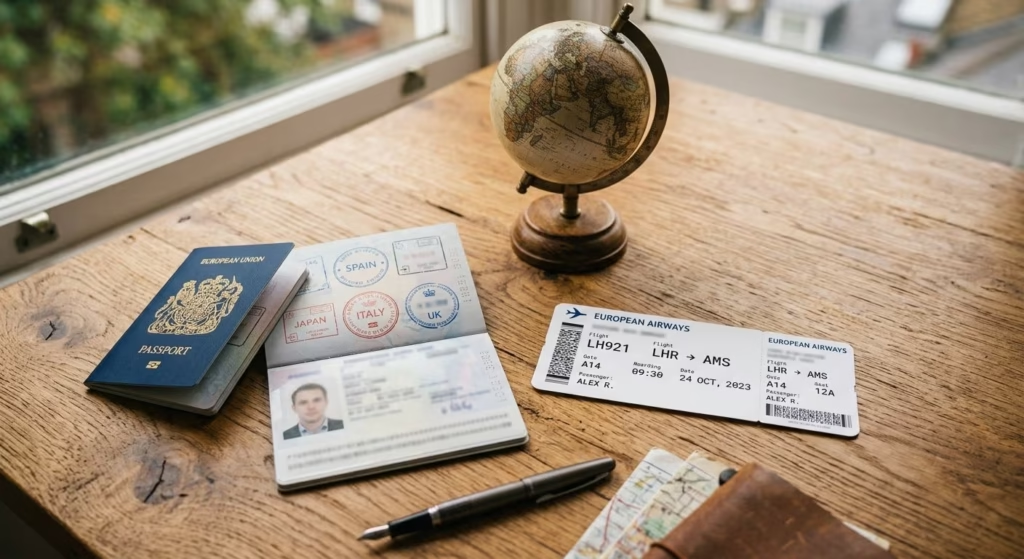
(Suggested alt text: “Passport with visa stamps and boarding pass on a map”)
Verify current rules, prices, schedules and local conditions before making travel commitments.